As parents, we want the best for our children, and that includes their oral health. A healthy smile isn't just about aesthetics; it plays a crucial role in their overall well-being, from proper nutrition and speech development to self-confidence. Understanding common childhood dental problems and, more importantly, how to prevent them, is key to giving your child a strong foundation for a lifetime of healthy teeth.
Understanding Common Childhood Dental Problems
Children, with their developing habits and love for sweet treats, are particularly susceptible to certain dental issues. Recognizing these can help you take proactive steps.
1. Dental Caries (Cavities)
Without a doubt, cavities are the most prevalent chronic disease among children, even more common than asthma. They occur when bacteria in the mouth produce acids that erode tooth enamel, leading to small holes. Factors contributing to cavities include frequent snacking on sugary foods and drinks, inadequate brushing, and prolonged bottle feeding (especially at night) or sippy cup use with sugary liquids.
2. Gingivitis
This is an early stage of gum disease, characterized by inflamed, red, and sometimes bleeding gums. It's often caused by plaque buildup along the gum line due to insufficient brushing and flossing. While usually reversible with good oral hygiene, untreated gingivitis can progress to more serious periodontal disease.
3. Thumb Sucking and Pacifier Use
While natural for infants, prolonged thumb sucking or pacifier use beyond age four can lead to issues with tooth alignment and jaw development. It can cause an an open bite (where the front teeth don't meet) or a crossbite, potentially requiring orthodontic intervention later on.
4. Tooth Sensitivity
Children may experience tooth sensitivity, often a sharp pain when consuming hot, cold, sweet, or acidic foods and drinks. This can be due to thin enamel, exposed tooth roots, or even a developing cavity. It's important to identify the cause.
5. Dental Injuries
Active children are prone to accidents. Falls, sports injuries, or playground mishaps can lead to chipped, fractured, or knocked-out teeth. Protecting their teeth during play is as important as daily hygiene.
Effective Strategies for Prevention
The good news is that most childhood dental problems are highly preventable with consistent effort and the right approach.
1. Establish Excellent Oral Hygiene Habits Early
- Brushing: Start cleaning your baby's gums even before teeth emerge. Once teeth appear, brush twice a day with a soft-bristled, age-appropriate toothbrush and a tiny smear of fluoride toothpaste (rice grain size for under 3, pea-size for 3-6). Supervise brushing until around age 7-8 to ensure thorough cleaning. Flossing: Introduce flossing once two teeth touch. This removes plaque and food particles that brushing alone can't reach.
2. Promote a Tooth-Friendly Diet
Limit sugary snacks, candies, sodas, and fruit juices. These feed the bacteria that cause cavities. Encourage water as the primary beverage and offer nutritious snacks like fruits, vegetables, and dairy products. Avoid giving children bottles or sippy cups filled with sugary drinks (including milk or juice) to sleep with, as this can lead to "bottle rot."
3. Schedule Regular Dental Check-ups
The American Academy of Pediatric Dentistry recommends a child's first dental visit by their first birthday or within six months of their first tooth erupting. Regular check-ups with a trusted practice like Piedmont Dental are crucial for early https://midlands-tree-pros.tearosediner.net/the-cost-of-dental-implants-in-rock-hill-sc-what-to-expect detection and prevention. Our team can identify potential issues before they become serious, provide professional cleanings, and offer personalized advice.
4. Harness the Power of Fluoride
Fluoride strengthens tooth enamel, making it more resistant to acid attacks. Ensure your child uses fluoride toothpaste. If your local water supply isn't fluoridated, or if your child is at high risk for cavities, talk to your dentist about fluoride supplements or professional fluoride treatments.
5. Consider Dental Sealants
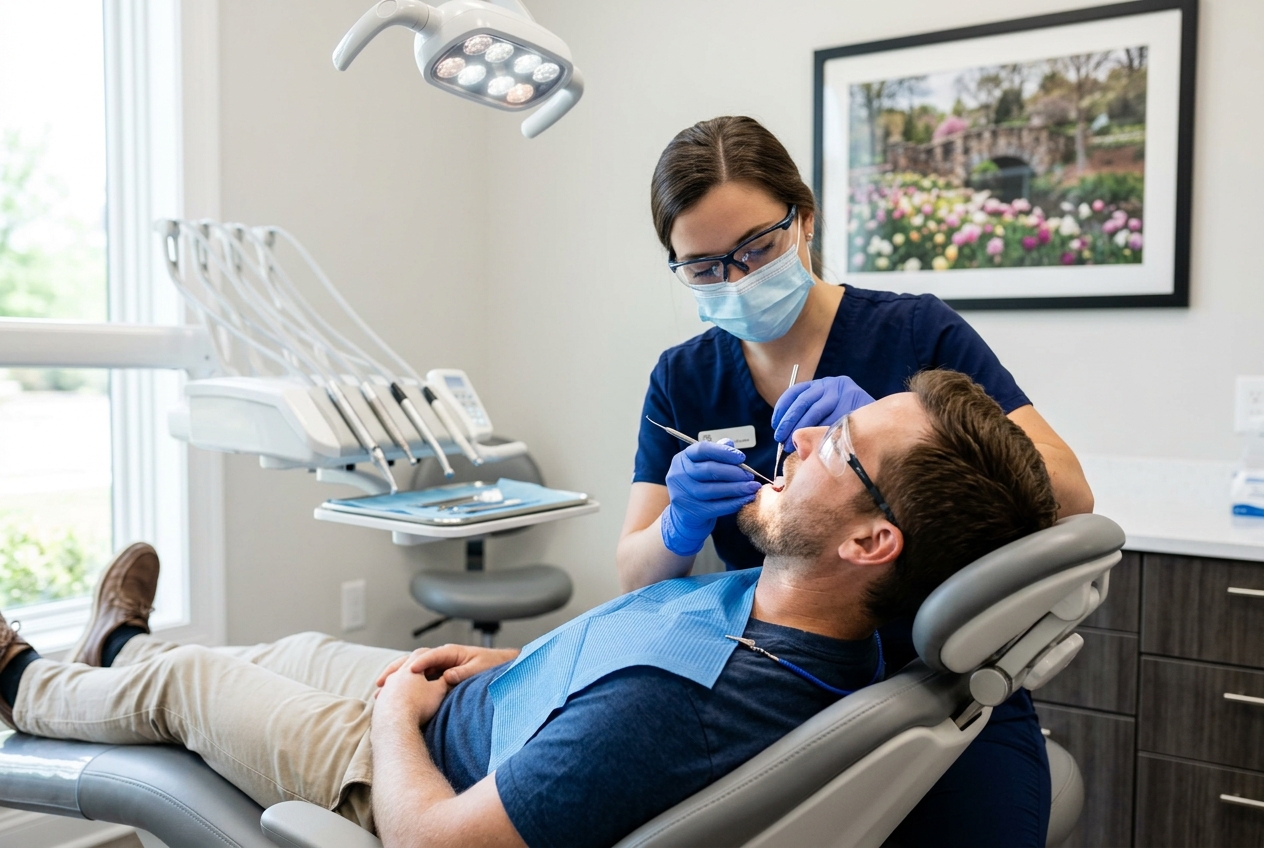
Sealants are thin, protective coatings applied to the chewing surfaces of back teeth (molars and premolars) where most cavities in children occur. They create a smooth surface, preventing food and bacteria from getting trapped in the grooves and pits. This is a highly effective preventive measure.
6. Use Mouthguards for Sports
If your child participates in contact sports or activities with a risk of facial injury, a custom-fitted mouthguard is essential. It protects teeth, gums, and jaws from impact, significantly reducing the risk of dental trauma.
When to Seek Professional Help
Even with the best preventive efforts, sometimes issues arise. Don't hesitate to contact Piedmont Dental if your child experiences tooth pain, persistent bad breath, bleeding gums, sensitivity, or if you notice any unusual spots or changes in their teeth or gums. Early intervention is always best.
Conclusion
Nurturing your child's oral health is an ongoing journey that requires commitment and consistency. By understanding common dental problems and implementing these preventive strategies, you empower your child with a healthy, confident smile that lasts a lifetime. Remember, a partnership with a dedicated dental practice like Piedmont Dental is invaluable in achieving this goal.